

To be a U.S. teenager in 2023 is both the same as it ever was, and astoundingly different from even a generation ago. Along with all the classic challenges of growing up—grades, parents, first loves—looms a crop of newer ones: TikTok, gun violence, political division, the whipsaw of COVID-19, the not-so-slow creep of climate change.
“The main domains are the same: school, home, family, and peers,” says Dr. Asha Patton-Smith, a child and adolescent psychiatrist at Kaiser Permanente in Virginia. But the stressors that emerge within those domains have changed tremendously in a world where the internet and real life have largely blurred into one, with everything from school to social interaction now happening at least partially online and a fire hose of bad news always only a swipe away.
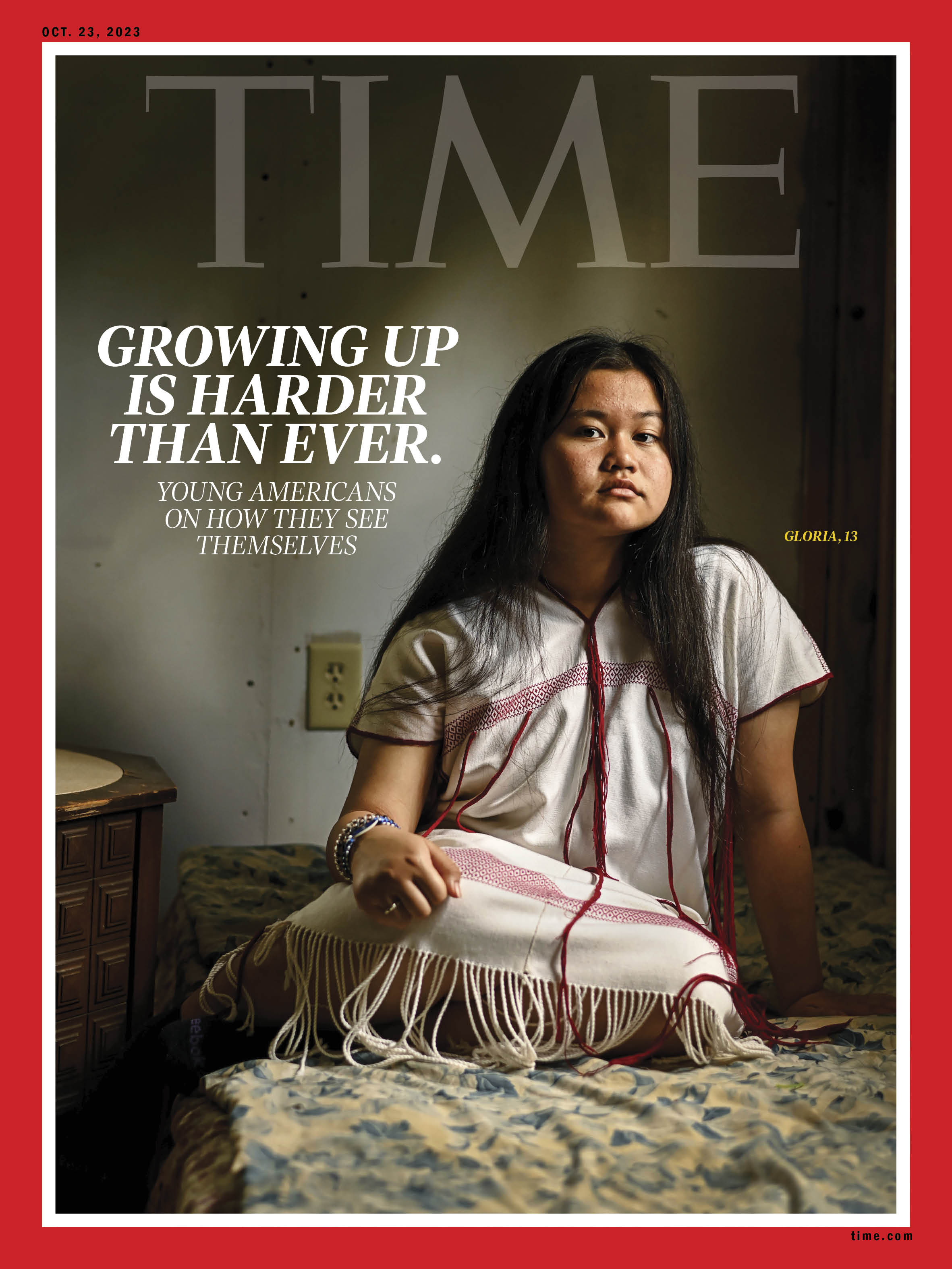
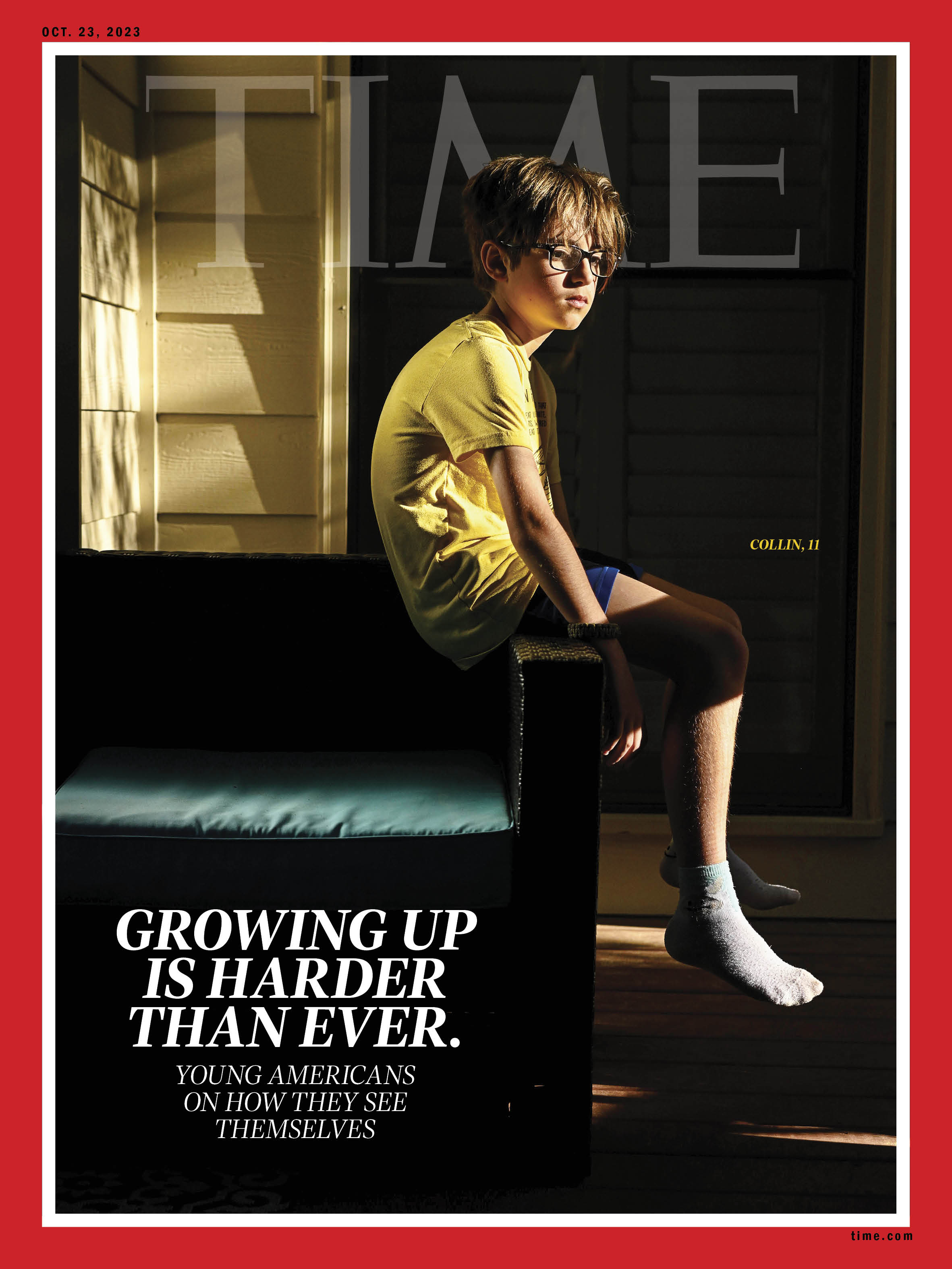
This new world has taken a toll on U.S. teenagers, if the staggering data on adolescent mental health are any indication. In 2020, 16% of U.S. kids ages 12 to 17 had anxiety, depression, or both, a roughly 33% increase since 2016, according to an analysis by health-policy research group KFF. The following year, 42% of U.S. high school students said they felt persistently sad or hopeless, 29% reported experiencing poor mental health, 22% had seriously considered suicide, and 10% had attempted suicide, according to the U.S. Centers for Disease Control and Prevention (CDC).
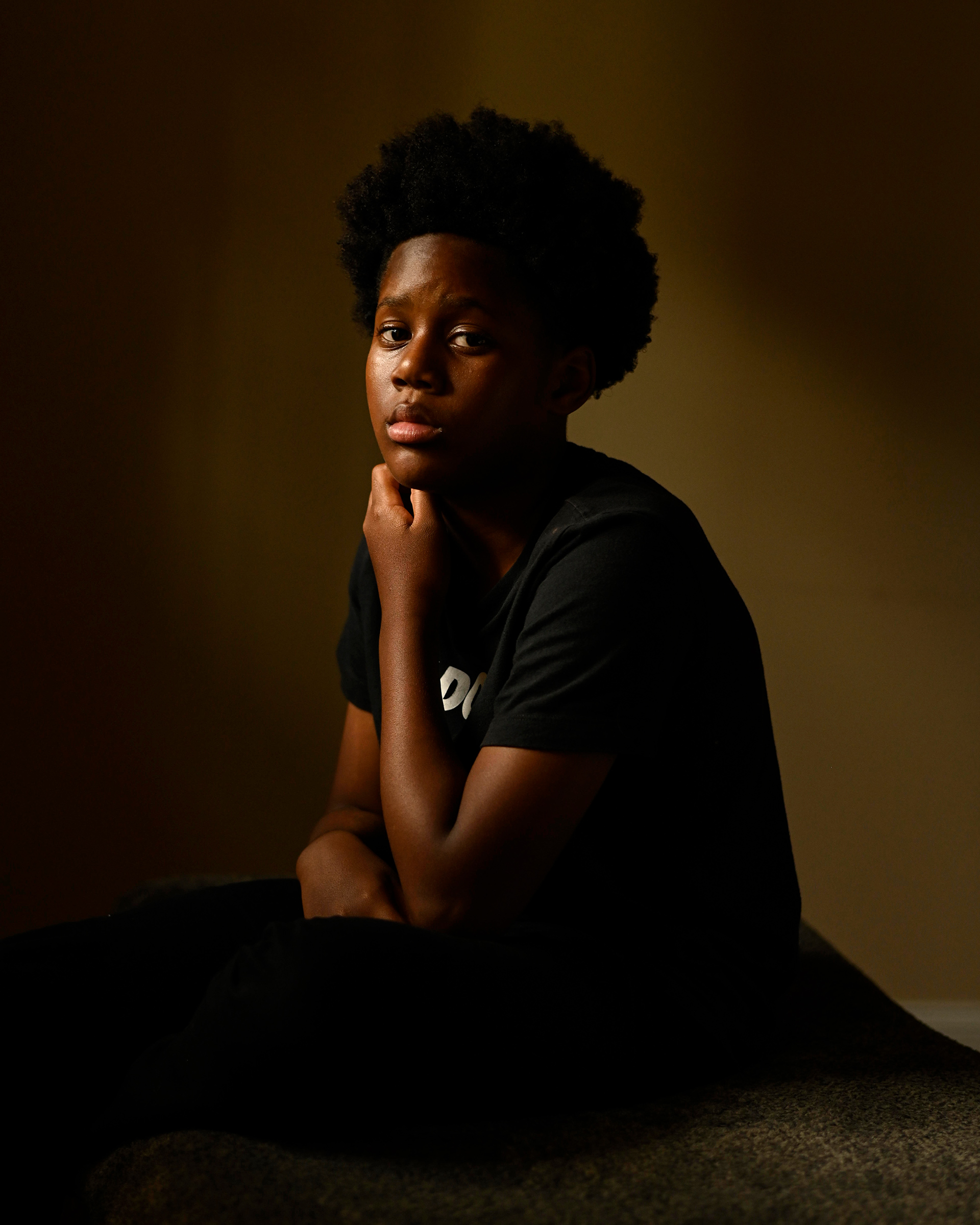
‘In February, I was in front of a Subway … and somebody pointed a gun at me. I’m having dreams—gun-related stuff, like getting shot. I keep getting anxious from time to time. It’s like I’m not able to trust anybody at this point.’
These data are sometimes used to argue that kids aren’t as tough as they used to be. But kids see it differently. “Other generations are telling us that we’re a weak generation … and we haven’t lived through this and that,” says 16-year-old Jasmine. “But we’re in a new world experiencing new things … They haven’t experienced half of what we’ve experienced.”
It’s not only big, macro-level societal shifts that are having an effect. CDC data also show that personal traumas like sexual violence, bullying, and social isolation are concerningly common, particularly among teen girls and teens who do not identify as straight—two groups at particularly high risk for poor mental health.
Of course, there’s no single or simple explanation for these trends. “You know, everybody’s different,” says 15-year-old L.B. “It’s not just one issue around the world that can [explain], ‘Oh, this is why this person’s feeling this.’”
Indeed, mental-health issues are as diverse as the young people who experience them. Girls, says 14-year-old Malayah, live with “unhealthy” body and beauty standards, while boys aren’t given as much “space to be sad and be emotional,” says 15-year-old Josiah. Kids who identify as neither boys nor girls may be caught in a “crushing gender binary” that prevents self-expression, says 15-year-old Trey. And kids of color bear the “tremendous weight” of trauma, discrimination, and safety threats, says 17-year-old J.J.
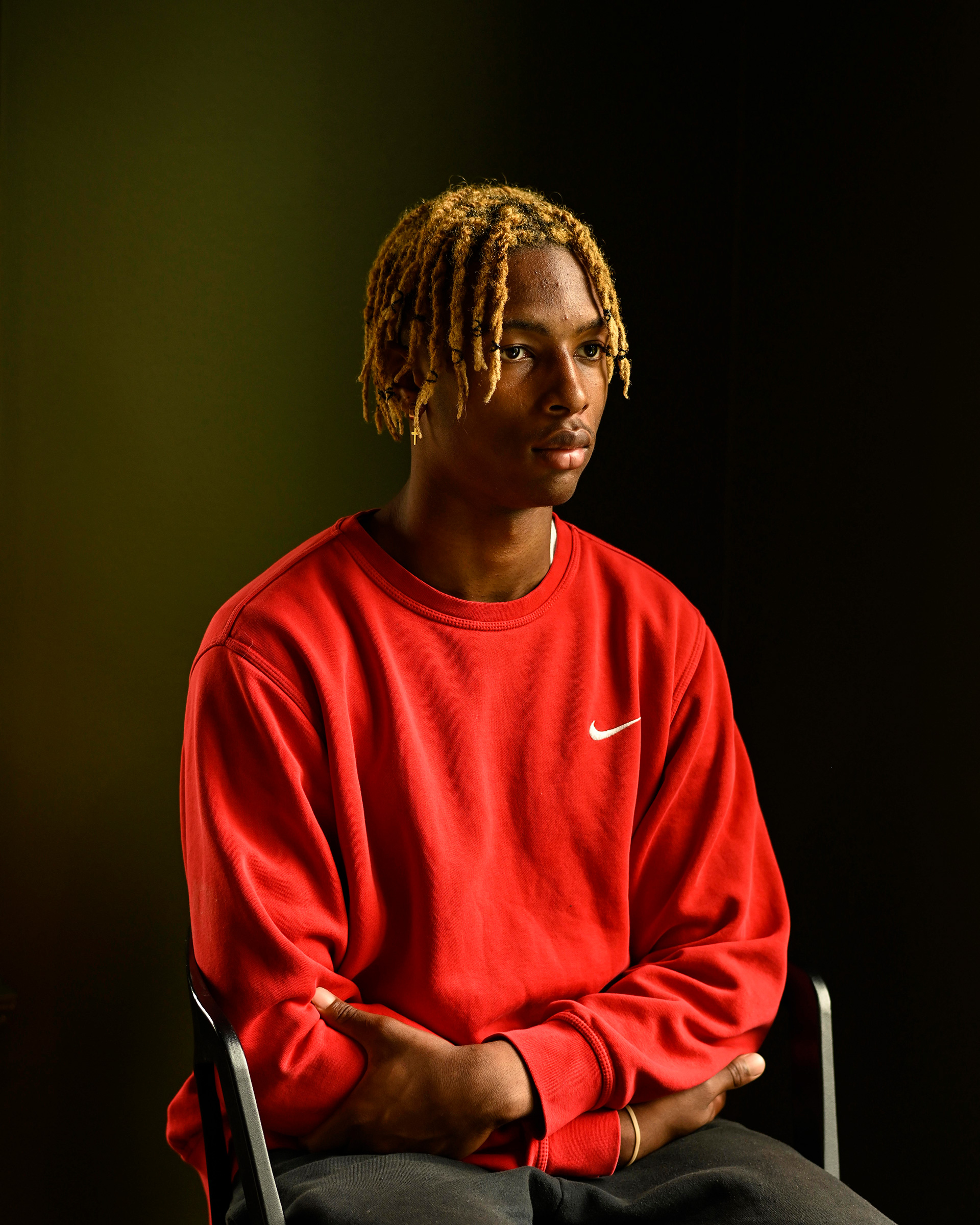
“I hold myself to a high expectation, being the oldest of three brothers. Sometimes it can be really overwhelming. When I don’t succeed in something I’ve been pushing myself very hard to, I tend to be really hard on myself. [But] everybody makes mistakes. There’s always the second time.”
With such varied experiences, there is no one-size-fits-all cure. The most important thing adults can do is listen to teenagers, says Dr. Anish Dube, chair of the American Psychiatric Association’s Council on Children, Adolescents, and their Families. “Oftentimes the folks that are missing [from the conversation] are the folks that are most affected,” Dube says. “Young people themselves are going to have the answers more than I as an expert will. It’s about listening to them.”
In an effort to do just that, photojournalist Robin Hammond interviewed dozens of U.S. teenagers from Georgia, Colorado, and the Washington, D.C., area about their mental health, the challenges they’ve faced, and how they cope. From struggles with gender identity and gun violence to bullying and body image, their words offer windows into the messy world of the U.S. teenager.
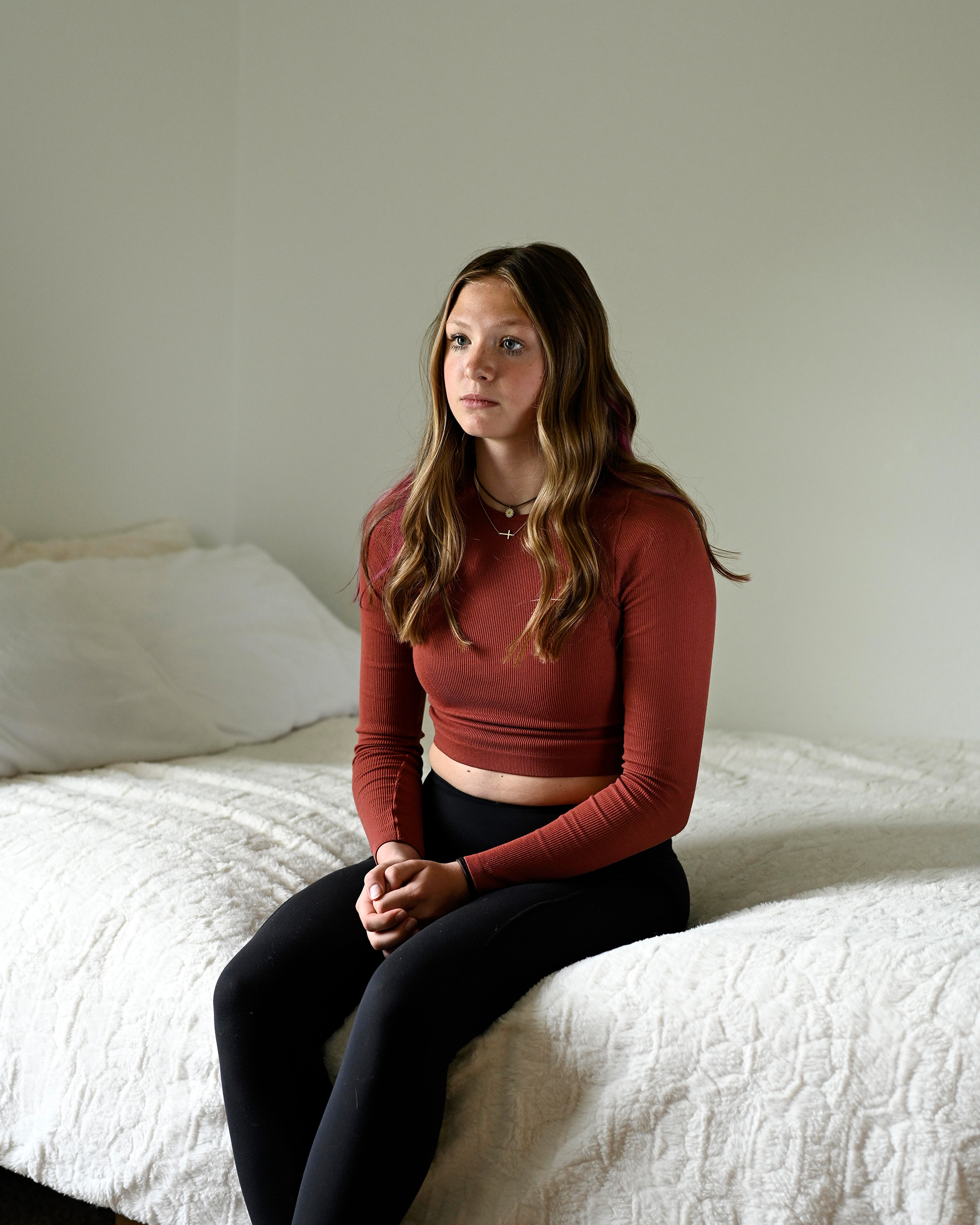
“Adults try to make your problems almost disappear. [They say things like,] ‘You’ll get through this. This is a small time in your life. You’ll forget about this in like two years.’ But in that moment, I’m just sitting here thinking that my whole world just caved in on me. They’re not letting me feel how I want to feel.”
But their stories also offer hope to other kids growing up in that complex environment. Jack, 15, says he’s learned to overcome his anxiety by focusing on the present, and has found the courage to tell kids who tease him exactly how they make him feel.
“Go have a one-on-one conversation and talk to them,” he says. “It may sound cringe. It may sound like something that you really don’t want to do. But you have to trust me, from one teenager to another. It helps and it will work.”
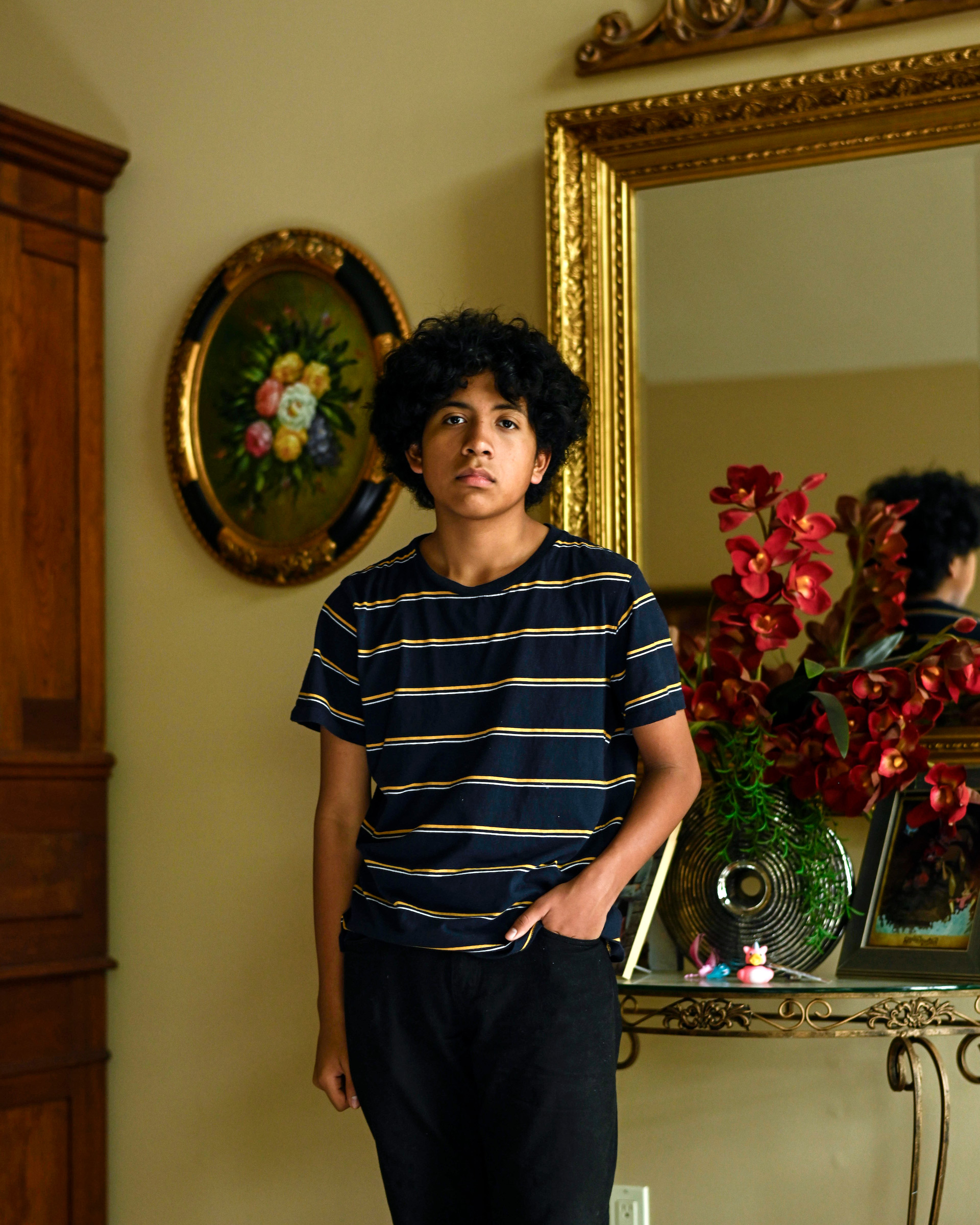
If you or someone you know is experiencing a mental-health crisis, call or text 988.
This project was produced by Witness Change and Youth Empowerment Group with the support of The Weld Trust.